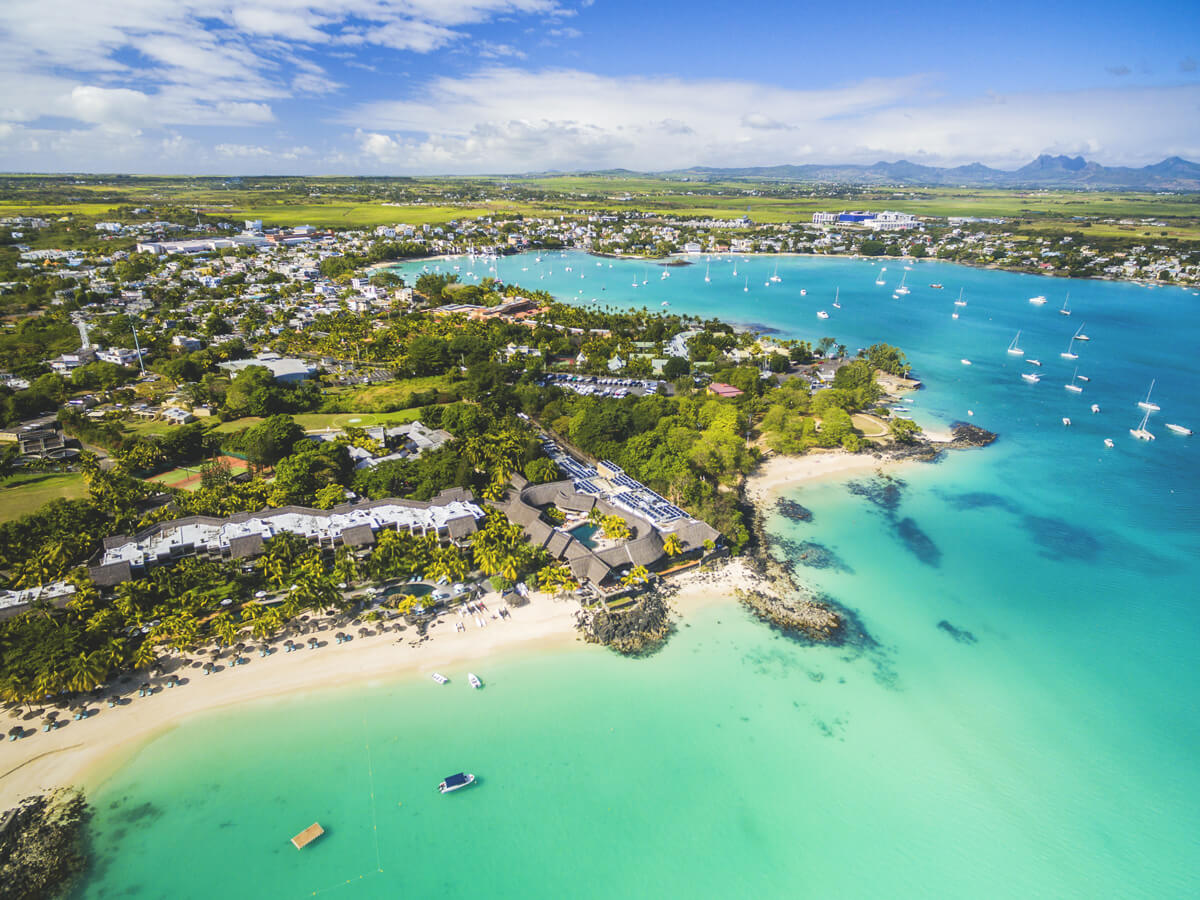
Grand Baie
This coastal village serves as the center for water-based activities and nightlife in the north. It features a sheltered bay suitable for boat departures.
Walk the northern jetty during early hours for coastal views.
Mauritius reveals two distinct personalities across its northern and southern shores. The north delivers resort infrastructure, protected lagoons, and proximity to the capital, while the south unfolds as a wilder, less developed coast shaped by trade winds and dramatic cliffs. Your answer depends on what you prioritize in a stay.
Quick answer
Neither coast is objectively better—the north suits travelers seeking calm swimming conditions, dining variety, and easy access to Port Louis, while the south appeals to those wanting rugged scenery, fewer crowds, and authentic fishing villages. The north hosts Grand Baie, Trou aux Biches, and most luxury resorts; the south offers Le Morne, Gris Gris cliffs, and kite-surfing conditions. Most first-time visitors choose the north for convenience, while returning travelers often migrate south for atmosphere.
The island's geography creates the divide. Mauritius sits in the trade-wind belt, and the southeast trades blow consistently across the southern coast from May through November, whipping up waves and limiting calm-water swimming. The northern shore sits in the island's lee, sheltered by volcanic peaks that break the wind and create year-round lagoon conditions. That meteorological fact has dictated development for decades. The north became the tourism engine because it delivers what most beach holidays require: predictable weather, swimmable water, and infrastructure built around visitor rhythms. Grand Baie functions as the region's social center, dense with restaurants that stay open past sunset, catamarans departing for offshore islets, and dive operators running daily trips to the reef systems north of Gunner's Quoin. Trou aux Biches and Mont Choisy stretch as unbroken sand corridors where the lagoon stays waist-deep fifty meters from shore. This coast offers convenience—supermarkets stock international goods, taxis run metered routes, and the airport sits forty minutes south via the motorway. Deciding between north and south Mauritius often comes down to whether that convenience outweighs the trade-offs in crowd density and built environment. The south rejects that script. Le Morne peninsula rises as a UNESCO-listed basalt monolith at the island's southwestern tip, its base ringed by a lagoon that draws kite-surfers rather than families. The wind that disrupts the southeast coast powers the sport here, and the beach fills with kites carving figure-eights above shallow turquoise flats. Inland from the shore, the south remains agricultural—sugarcane fields run to the horizon, and villages like Souillac and Baie du Cap function as working communities rather than resort clusters. Gris Gris offers the island's only significant stretch of coast without a protective reef, where swells roll unbroken onto black rock and blow-holes erupt with each surge. The southern region has fewer restaurants, limited nightlife, and longer drives to amenities, but it retains the texture of an island not yet fully converted to tourism. Travelers split along temperament: some need the polished ease of the north, others value the unscripted quality of the south, and neither choice eliminates access to the other coast—the island spans only sixty-one kilometers end to end, and a rental car collapses the distinction into a day trip.
“The north built itself around the visitor; the south simply continued as it was, and some travelers will pay a premium in convenience for that difference.”
Choosing between the North and South of Mauritius depends on whether you prefer developed resort hubs or preserved natural landscapes. The North offers accessibility and amenities, while the South provides a more rugged, quiet experience.
| Northern Region Developed Coastline Recommended | Southern Region Wild Coastline | |
|---|---|---|
| Atmosphere | High-energy, commercial | Relaxed, rural |
| Primary Landscape | Sandy beaches, shallow lagoons | Volcanic cliffs, rugged shores |
| Best For | Water sports and nightlife | Nature hikes and photography |
| Activity Pace | Active and social | Leisurely and contemplative |
| Typical Crowd Level | High visitor density | Low visitor density |
Verdict: Select the North if you prioritize convenient amenities and beach activities, or the South if you prefer privacy and dramatic natural scenery.
The northern and southern regions of Mauritius offer distinct landscapes ranging from active coastal hubs to preserved natural environments. Evaluating these landmarks helps travelers determine which area aligns with their preferred pace.
This coastal village serves as the center for water-based activities and nightlife in the north. It features a sheltered bay suitable for boat departures.
Walk the northern jetty during early hours for coastal views.
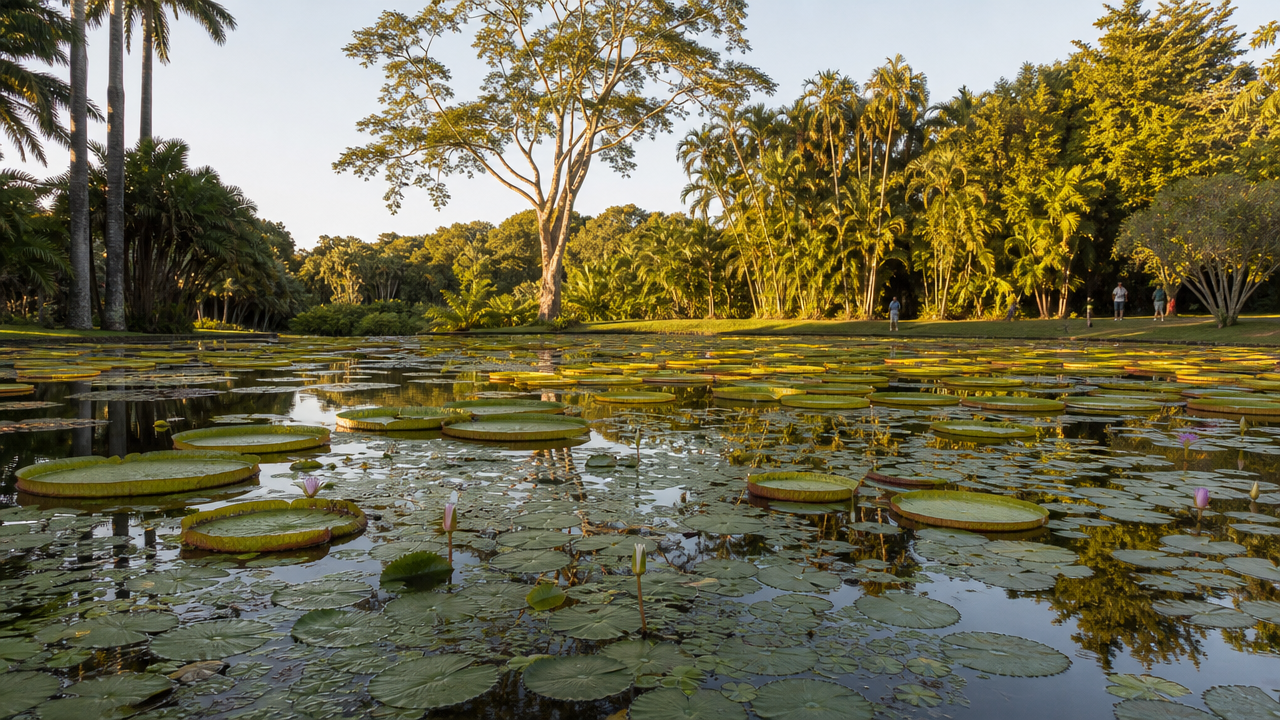
Known for its giant Victoria amazonica water lilies and diverse collection of tropical plants. The site is a significant botanical landmark in the north.
Follow the main path to the central lily pond.
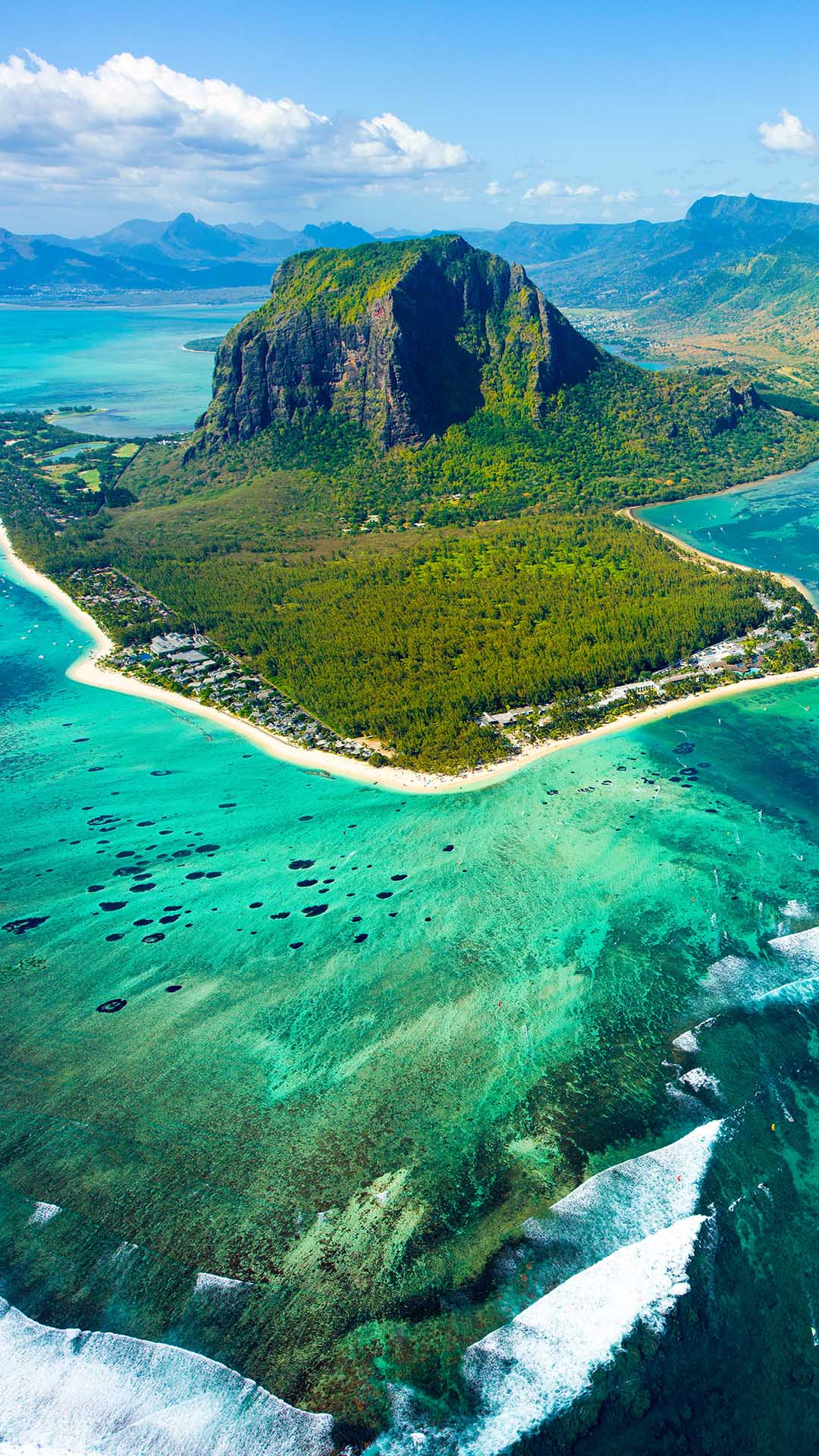
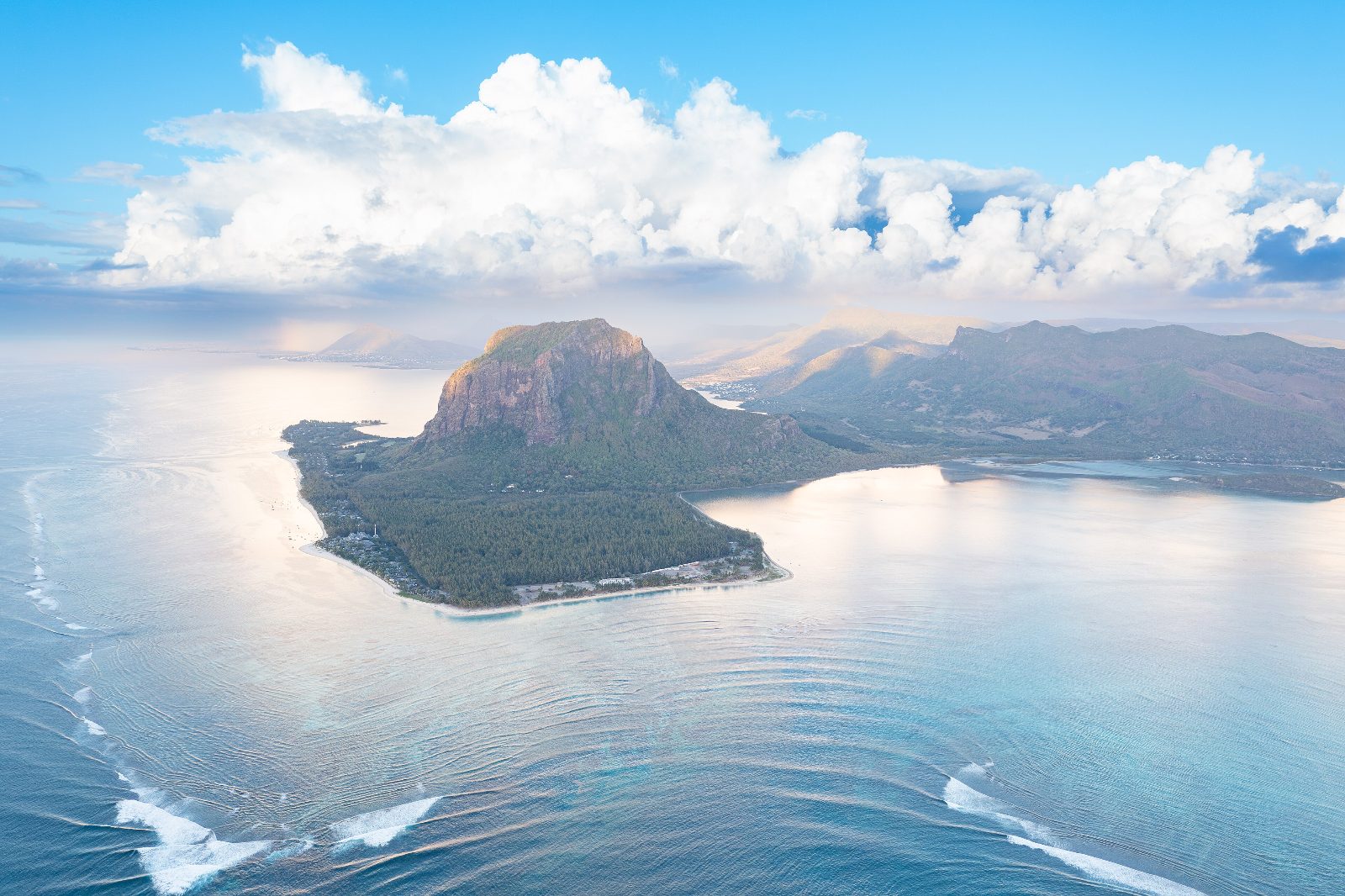
A UNESCO World Heritage site in the south, this basaltic monolith rises significantly above the ocean. It stands as a symbol of resistance and cultural history.
View the mountain from the public beach for scale.
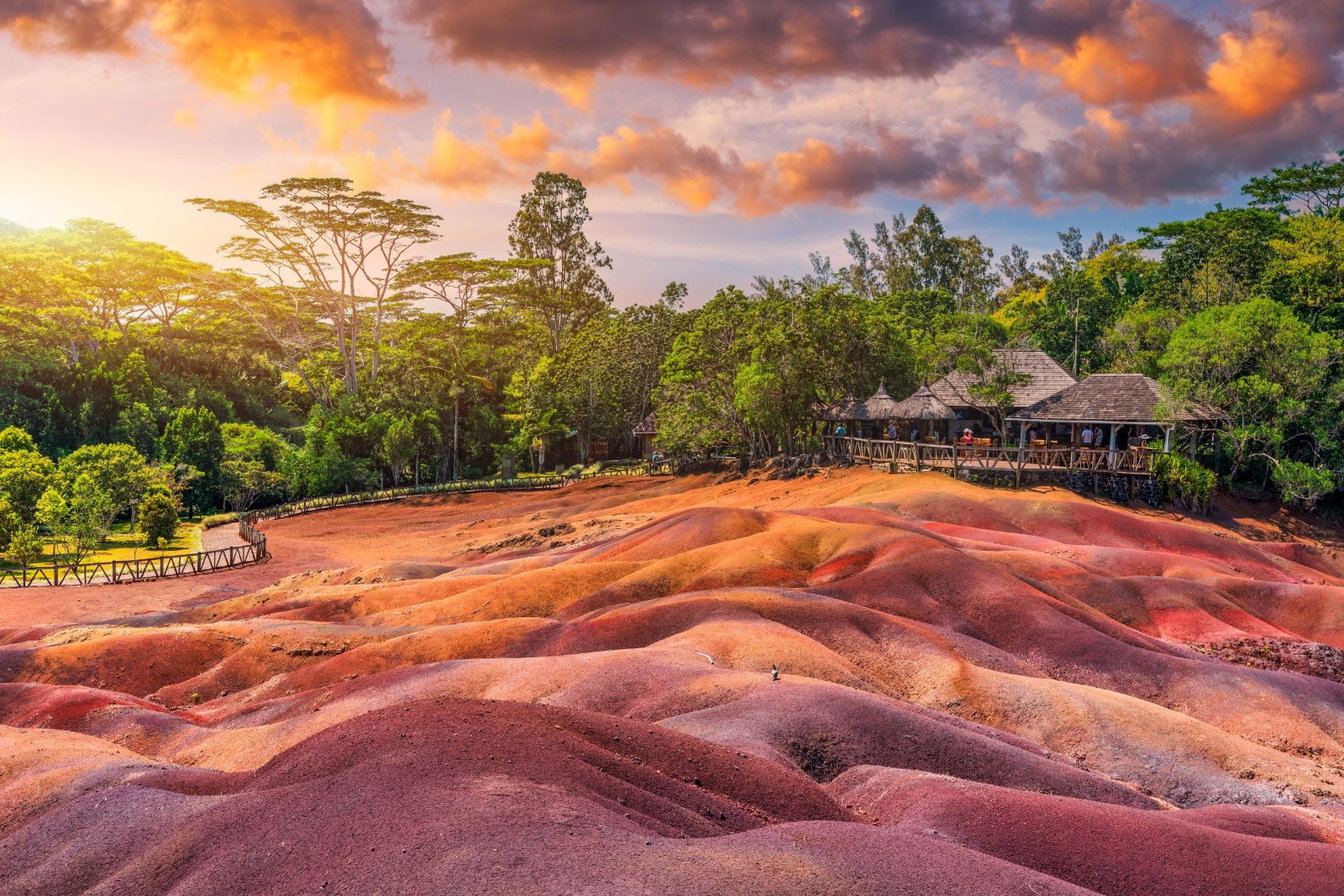
A natural geological formation in the south consisting of sand dunes with seven distinct colors. The site is situated near the Chamarel waterfall.
Visit during the morning light to enhance color visibility.
The period from May to November is generally preferred for the south due to cooler temperatures, while the north remains warmer year-round. Arriving early in the day helps avoid the most intense sun and regional traffic congestion.
Cooler, drier, south becomes windier
Ideal for hiking the south and beach activities in the north.
Humid, higher temperatures 25°C-31°C
The north offers calmer waters during the summer monsoon season.
—
Arriving between 08:00 and 10:00 maximizes comfort and minimizes transit delays.
Verdict: For the best balance of climate and accessibility, plan visits during May or October, arriving between 08:00 and 10:00 to navigate Mauritius effectively.
Mauritius Island is served primarily by Sir Seewoosagur Ramgoolam International Airport, located in the southeast. Reaching the north requires traversing the M2 motorway, while the south is accessible via the B9 coastal road.
M2 Motorway to Grand Baie (North)
Express Bus to Port Louis, then connection to North
Direct transfer via M2 or coastal routes
B9 Coastal Road to Souillac (South)
The best arrival window is 08:00–10:00 to avoid peak midday sun and morning traffic in resort areas.
Public regions of Mauritius remain accessible throughout the week without restrictions on daily operating hours. Visitors may plan their visits at any time, though specific arrival windows are recommended to manage local traffic.
Access to public regions across both Northern and Southern Mauritius is free of charge. Your choice between these areas relies on the type of experience sought rather than varying entrance fees.
Verdict: A typical adult pays 0 MUR for access to public regions, with costs only arising from private tours or selected attractions.
Everything you need to know about is the north or south of mauritius better
Determining if the north or south of mauritius better suits your trip depends on whether you prefer vibrant resort hubs or rugged natural landscapes. The north is generally favored for nightlife and swimming, while the south offers dramatic cliffs and nature reserves. Choosing between these areas depends on your personal travel style.
The northern coast is famous for its calm turquoise lagoons and sandy stretches like Grand Baie. Conversely, the southern coastline features wilder, rockier shores that are ideal for photography and coastal walks. Visitors often ask is the north or south of mauritius better for swimming, and the answer typically leans toward the sheltered northern bays.
Both regions offer a wide range of accommodation, from luxury resorts to local guesthouses. Since public access to the island's natural beauty is free, the cost difference primarily relates to the type of lodging and activities you choose. Evaluating if the north or south of mauritius better aligns with your wallet involves comparing resort rates in each zone.
The north tends to be warmer and drier, making it a popular choice for beach lovers year-round. The south is more susceptible to winds and rain, which contributes to its lush, green vegetation and cooler temperatures. This environmental contrast is a key factor when considering if the north or south of mauritius better suits your seasonal preferences.
You can navigate the island using local buses, private taxis, or rental cars. Planning your route in advance helps manage travel times between the northern attractions and the southern landmarks. Public infrastructure allows for relatively easy movement across the country.
Many families find the north easier for swimming due to calmer waters and proximity to amenities. However, the south provides educational nature parks that children often enjoy. Deciding if the north or south of mauritius better serves your family depends on whether you prioritize beach time or outdoor discovery.
The best arrival window for visiting any part of the island is 08:00–10:00. This timing allows you to avoid peak midday sun and heavy morning traffic in resort areas. Consistently starting your day early maximizes your sightseeing potential.
Public regions of Mauritius are open to all visitors with an entrance fee of 0 MUR. You can enjoy the vast majority of the coastline and public beaches without any cost. Exploring the natural landscape of the Republic of Mauritius remains accessible for everyone.
North Tour Mauritius Price
Read more GuideBest Time to Visit North Mauritius
Read more Tickets & toursNorth Mauritius Boat Tour
Read more GuideMauritius North Tour Itinerary
Read more Tickets & toursPrivate North Tour Mauritius
Read more Tickets & toursNorth Islands Catamaran Tour
Read more