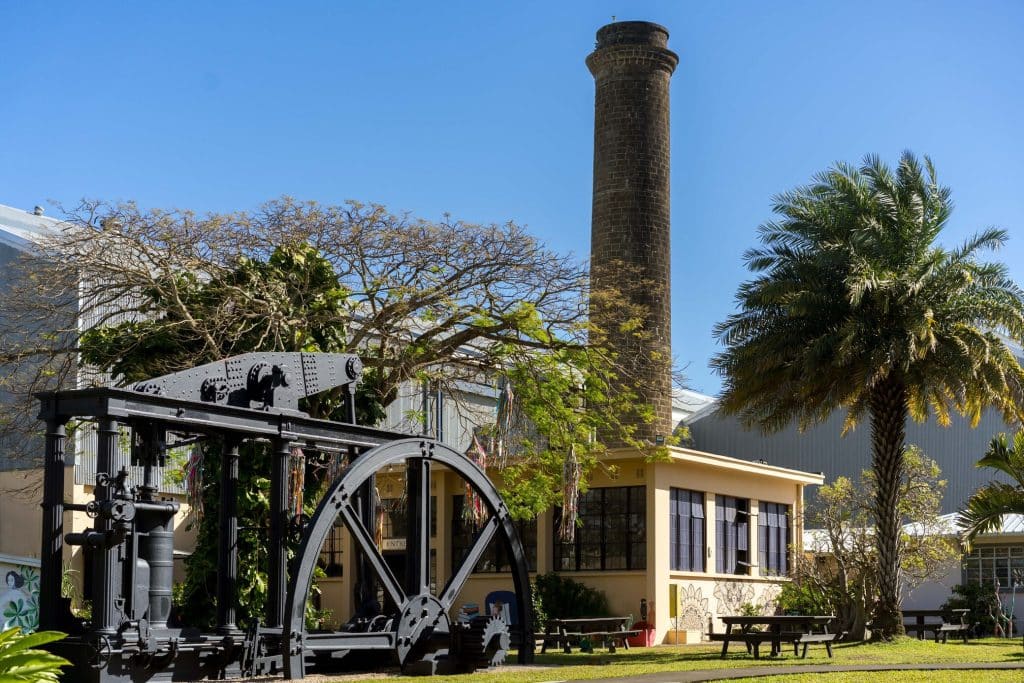
L'Aventure du Sucre
5 min drive
This former sugar factory turned museum offers context on the historical importance of the sugar industry in Mauritius, located just down the road from the botanical garden.

The northern circuit of Mauritius condenses colonial architecture, botanical heritage, and coastal markets into a single day's drive. This itinerary maps the practical sequence—where to start, how long each stop demands, and which arrival windows avoid crowds and heat.
Quick answer
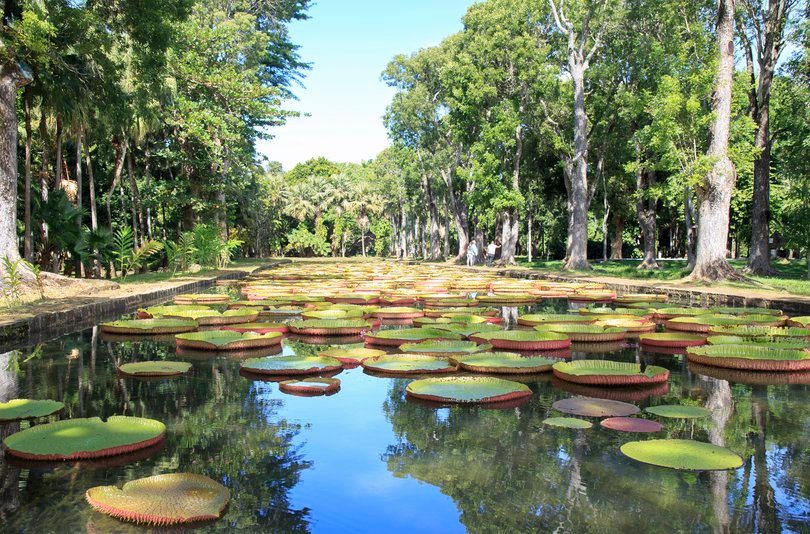
A well-paced mauritius north tour itinerary begins at Sir Seewoosagur Ramgoolam Botanical Garden in Pamplemousses at 08:30, allocates two hours for the grounds, then moves northwest to Port Louis for the Central Market and Caudan Waterfront before finishing at Grand Baie by mid-afternoon. The route covers roughly 45 kilometers and requires a private vehicle or pre-arranged transport, as public buses add significant time between stops.
The northern half of Mauritius holds the island's deepest colonial footprint alongside its busiest commercial harbors. Port Louis, the capital, sprawls along a natural bay ringed by the Moka Range; Pamplemousses, eight kilometers northeast, shelters a botanical garden established in 1770 under French naturalist Pierre Poivre. Grand Baie, the northernmost anchor, transformed from a fishing village into the island's tourism fulcrum during the 1980s. The three nodes form a triangle that can be traversed in under two hours of driving, but each stop carries enough density to stretch a shallow visit into a rushed checklist. A mauritius north tour itinerary that respects both logistics and experience opens at Pamplemousses rather than the capital. The garden's 37 hectares are coolest and least crowded before 10:00, and morning light renders the giant water lilies and talipot palms in their sharpest detail. Non-Mauritian visitors pay 300 MUR at entry; the grounds remain open until 17:30, but shade thins and humidity climbs sharply after midday. Two hours allows a full circuit of the main ponds, the spice collection, and the ebony grove without racing. From there, the route descends southwest into Port Louis, arriving near noon when the Central Market peaks in activity. Stalls sell tropical produce, spices, and street food; the adjacent Caudan Waterfront offers air-conditioned relief and waterfront views of the harbor. Budget 90 minutes for both. The final northbound leg to Grand Baie runs along the coast road, passing through Pointe aux Piments and Trou aux Biches. Grand Baie itself is a crescent of restaurants, tour operators, and catamaran departure points rather than a landmark in its own right. Most itineraries allocate the late afternoon here for a beach walk or early dinner before the return south. Sunset over the bay occurs between 17:45 and 18:15 year-round, and the waterfront promenade remains walkable until well after dark. The entire northern circuit demands six to seven hours when stops are kept efficient; adding detours to Château de Labourdonnais or the Aventure du Sucre museum in Pamplemousses pushes the day past 18:00. Travelers relying on taxis should negotiate a full-day rate in advance, as metered fares compound quickly across multiple legs. The north receives trade winds that moderate humidity even in summer, making it the island's most temperate zone for midday activity.
“The northern circuit condenses three centuries of Mauritian history into a 45-kilometer triangle that can be driven in under two hours—or stretched into a full day when each stop is given its due.”
This plan suits visitors seeking a mix of botanical heritage, coastal scenery, and cultural landmarks across the north. Allow a full day, starting early to beat the heat and crowds.
Begin at the garden to explore giant water lilies, century-old palms, and the spice collection while temperatures remain cool. Budget 90 minutes for a thorough walk through the main avenues.
Head north to the red-roofed church perched on the coast, with views of Coin de Mire island. A 20-minute stop covers photos and a walk along the shoreline.
Arrive at the main resort hub for lunch and a stroll through the craft market or beachfront. Plan an hour for a meal and a quick browse.
Move to the adjacent cove for a swim or snorkel in calm, shallow water. An hour here offers a midday rest before the afternoon leg.
Tour the restored colonial mansion and its rum distillery, set within citrus orchards. The guided visit takes around 45 minutes, tasting included.
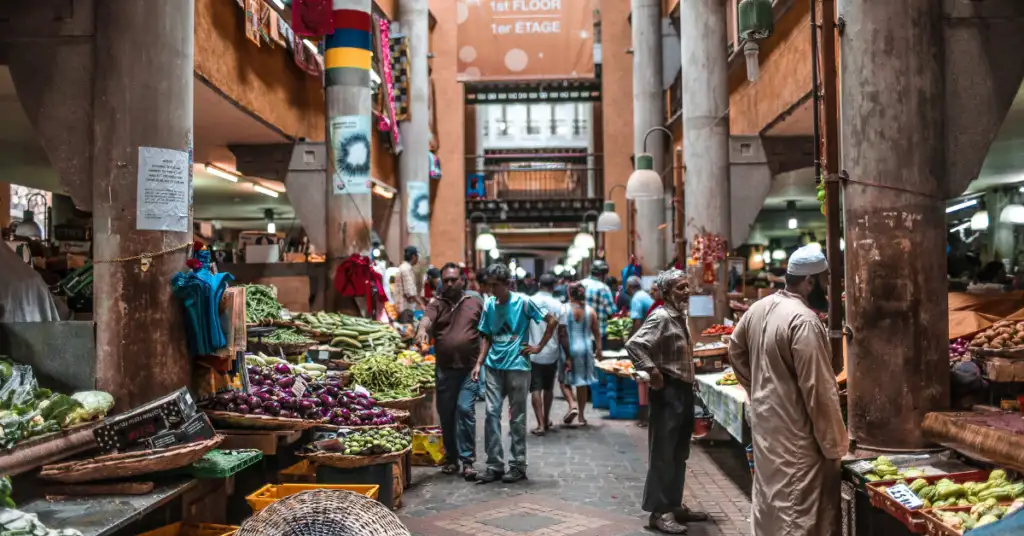
Finish at the capital's central market for local textiles, spices, and street food before the stalls begin closing. Allow 45 minutes to an hour for a final browse.
To ensure a comfortable experience during your Mauritius north tour itinerary, prioritize the best arrival window of 08:30–10:30. This timeframe provides cooler temperatures and softer light, which is ideal for photography and comfortable walking before the mid-day heat and peak crowds arrive.
—
These times offer the quietest experience for visitors. Arriving early helps avoid the larger groups that arrive by midday.
Mild and dry; 20°C to 25°C
This period brings cooler, more pleasant weather suitable for extended outdoor exploration. Lower humidity makes walking across expansive sites more manageable.
Warm and humid; 25°C to 30°C
Expect higher temperatures and increased humidity during these months. Mid-day heat can be significant, making early morning visits necessary for comfort.
Verdict: For the best balance of weather and crowd levels, plan your tour for Tuesday to Thursday, arriving at 08:30 during the months of May, June, September, or October.
The Sir Seewoosagur Ramgoolam Botanical Garden maintains consistent operational hours throughout the week. Visitors may access the grounds daily from morning until late afternoon.
Extending your time in the north allows for a broader exploration of the region's cultural and maritime character. These locations complement a visit to Pamplemousses by providing contrasting experiences in nearby towns and coastal areas.
5 min drive
This former sugar factory turned museum offers context on the historical importance of the sugar industry in Mauritius, located just down the road from the botanical garden.
20 min drive
A short journey south brings you to the capital, where the market provides a dense, sensory-rich look at local produce, spices, and craft trade.
25 min drive
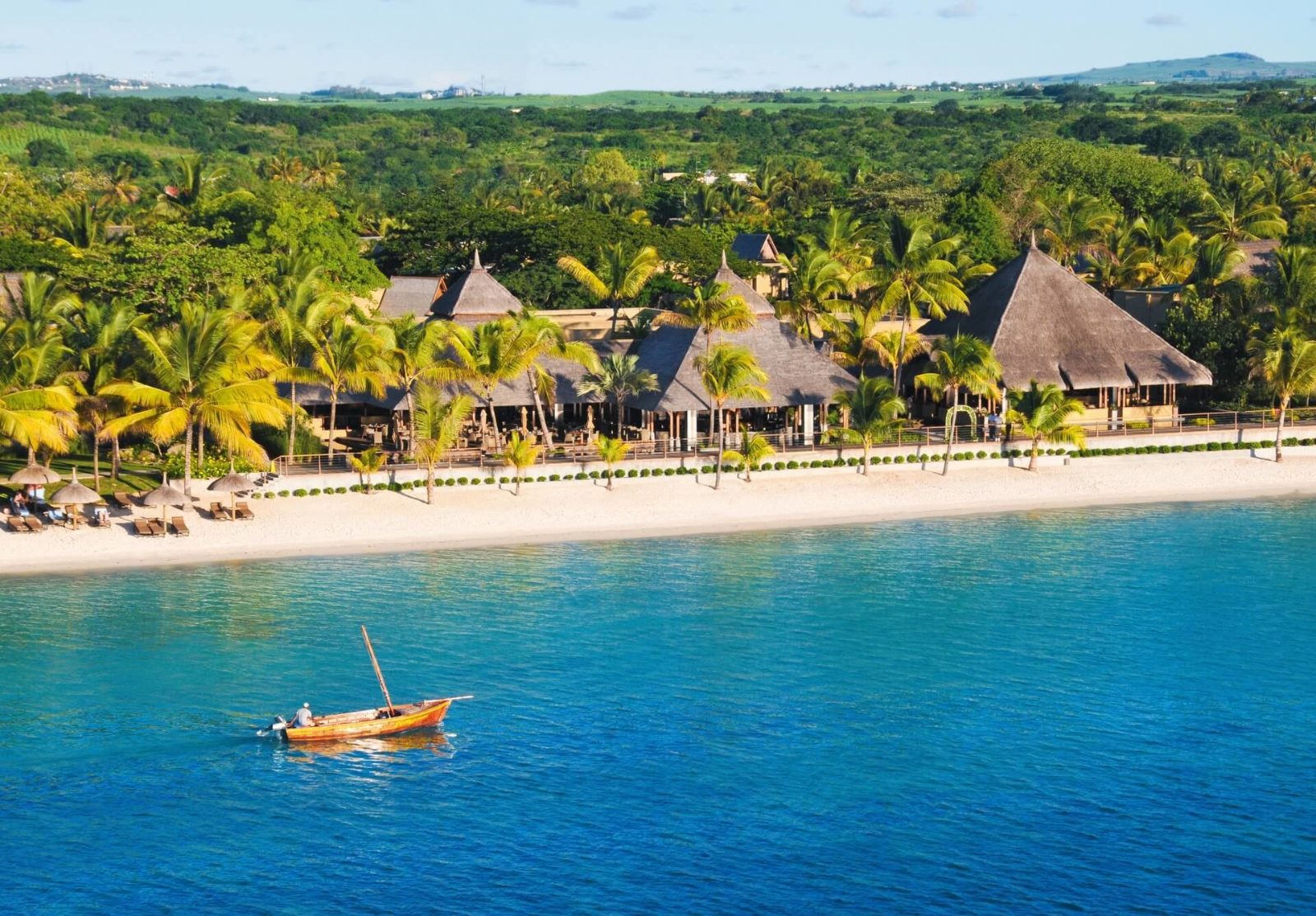
Situated along the northern coastline, this beach is well-suited for a midday break or afternoon relaxation following a morning of sightseeing.
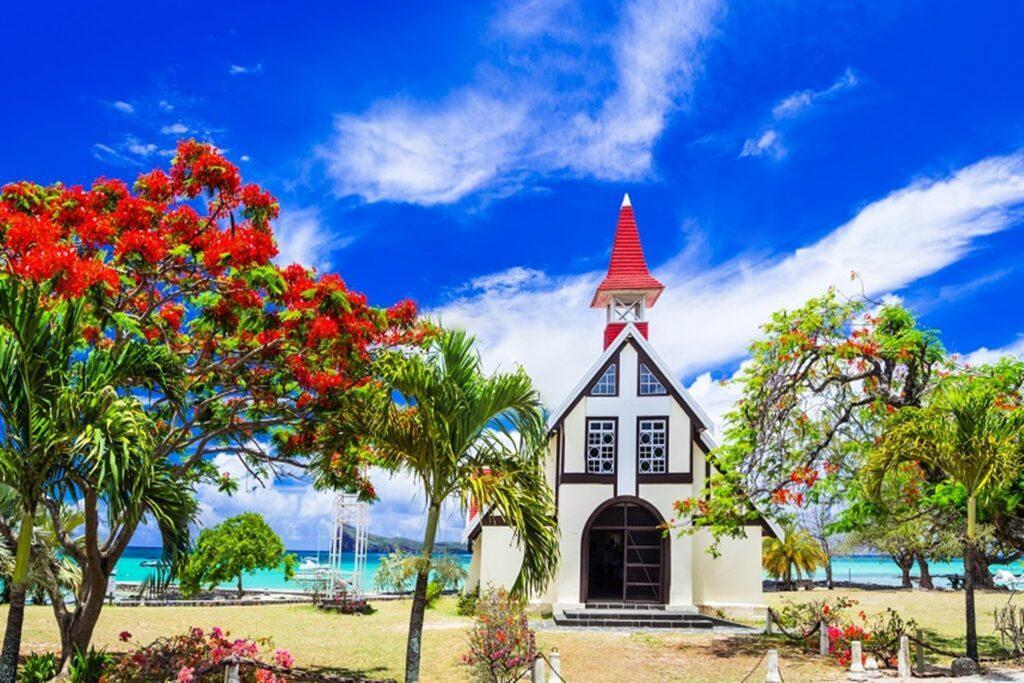
30 min drive
Known for its red-roofed church overlooking the northern islands, this quiet coastal village offers a scenic conclusion to a northern itinerary.
Optimize your journey through northern Mauritius with these practical strategies for comfort and navigation.
Wear closed-toe walking shoes to protect your feet from gravel paths and occasional uneven terrain in botanical areas. High-traction soles are preferable for navigating potentially damp garden sections.
Carry at least one liter of water per person as humidity levels remain high even on overcast days. Refillable bottles are practical as there are limited purchasing points once you move between major sites.
Plan your travel between sites to avoid the Port Louis peak hour congestion occurring between 07:30 and 09:00 and again from 16:00 to 18:00. Use interior coastal roads to bypass the main motorway when moving between northern landmarks.
Apply high-SPF sunscreen thirty minutes before arrival and wear a wide-brimmed hat. Many northern attractions offer limited shade coverage during midday hours.
Keep a lightweight rain poncho in your daypack, as sudden tropical showers are common in the north regardless of the season. A small dry bag protects cameras and documents during these brief downpours.
Everything you need to know about mauritius north tour itinerary
A well-rounded mauritius north tour itinerary generally combines historical landmarks like the Pamplemousses Garden with coastal visits to Grand Baie and local market experiences. These routes often balance cultural discovery with scenic ocean views along the northern coastline. Exploring the Sir Seewoosagur Ramgoolam Botanic Garden is a staple for most visitors following a structured mauritius north tour itinerary. The site is famous for its giant water lilies and diverse tropical flora, offering a peaceful escape from busier tourist hubs. The entrance fee is 300 MUR for non-Mauritian citizens aged 5 and above. Payments are typically handled at the entrance gates upon arrival. For the most comfortable experience during your mauritius north tour itinerary, aim to arrive between 08:30 and 10:30 to enjoy cooler temperatures. This window also provides the softest light for photography before the midday heat intensifies. The fee of 300 MUR applies to all non-Mauritian citizens aged 5 and older. Children under 5 are generally exempt from this entry requirement. Most travelers find that allocating 2 to 3 hours for the garden and at least a full day for the wider region is ideal. This pace allows for a relaxed exploration of the colonial architecture and seaside villages. Guided options often provide historical context and seamless logistics, which can be beneficial for first-time visitors. Independent travel offers more flexibility but requires careful planning of transport and timing. Pack comfortable walking shoes, sun protection, and plenty of water for your outdoor explorations. Carrying a local map or having offline navigation tools is also helpful when moving between island landmarks.
North vs South Mauritius
Read more Tickets & toursNorth Tour Mauritius Price
Read more GuideBest Time to Visit North Mauritius
Read more Tickets & toursNorth Mauritius Boat Tour
Read more Tickets & toursPrivate North Tour Mauritius
Read more Tickets & toursNorth Islands Catamaran Tour
Read more